Anthropocene
Anthropocene

![The Anthropocene is characterized by human impacts on their environment, with ramifications for variables such as climate change, biodiversity loss, and global food insecurity.[20]](https://seat-sight-2piztx2z4-futura-labs.vercel.app/_next/image?url=https%3A%2F%2Fupload.wikimedia.org%2Fwikipedia%2Fcommons%2Fthumb%2F4%2F47%2FThe_Anthropocene_triple_threat%25E2%2580%2594climate_change%252C_biodiversity_loss%252C_and_global_food_insecurity_-_Fsufs-05-564900-g001.jpg%2F500px-The_Anthropocene_triple_threat%25E2%2580%2594climate_change%252C_biodiversity_loss%252C_and_global_food_insecurity_-_Fsufs-05-564900-g001.jpg&w=640&q=75)

![Summary of major environmental-change categories that cause biodiversity loss. The data is expressed as a percentage of human-driven change (in red) relative to baseline (blue), as of 2021. Red indicates the percentage of the category that is damaged, lost, or otherwise affected, whereas blue indicates the percentage that is intact, remaining, or otherwise unaffected.[79]](https://seat-sight-2piztx2z4-futura-labs.vercel.app/_next/image?url=https%3A%2F%2Fupload.wikimedia.org%2Fwikipedia%2Fcommons%2Fthumb%2Fb%2Fb0%2FSummary_of_major_environmental-change_categories_expressed_as_a_percentage_change_%2528red%2529_relative_to_baseline_-_fcosc-01-615419-g001.jpg%2F500px-Summary_of_major_environmental-change_categories_expressed_as_a_percentage_change_%2528red%2529_relative_to_baseline_-_fcosc-01-615419-g001.jpg&w=640&q=75)


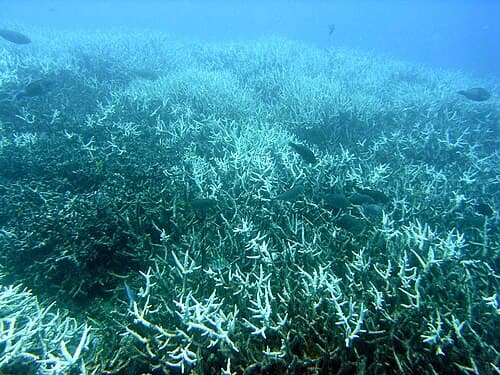


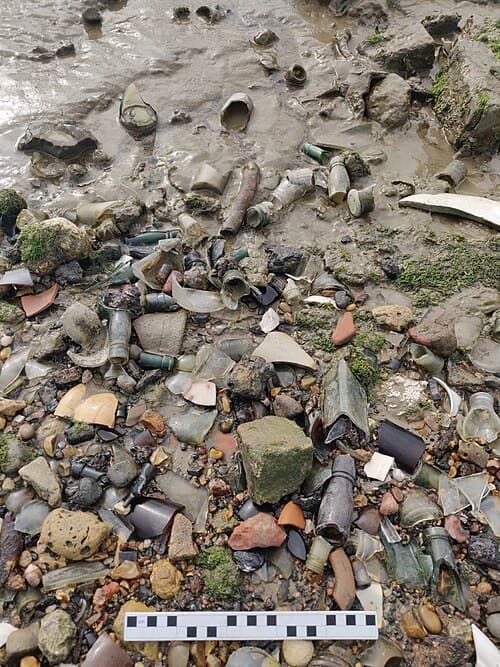
!["While we often think of ecological damage as a modern problem our impacts date back millennia to the times in which humans lived as hunter-gatherers. Our history with wild animals has been a zero-sum game: either we hunted them to extinction, or we destroyed their habitats with agricultural land." – Hannah Ritchie for Our World in Data.[146]](https://seat-sight-2piztx2z4-futura-labs.vercel.app/_next/image?url=https%3A%2F%2Fupload.wikimedia.org%2Fwikipedia%2Fcommons%2Fthumb%2F1%2F14%2FDecline-of-the-worlds-wild-mammals.png%2F500px-Decline-of-the-worlds-wild-mammals.png&w=640&q=75)
Anthropocene is a term that has been used to refer to the period of time during which humanity has become a planetary force of change. It appears in scientific social discourse, especially with respect to accelerating geophysical and biochemical changes that characterize the 20th and 21st centuries on Earth. Originally a proposal for a new geological epoch following the Holocene, it was rejected as such in 2024 by the International Commission on Stratigraphy (ICS) and the International Union of Geological Sciences (IUGS).
Read more on Wikipedia