Ancient Gods
Ancient Gods
![From left to right are seated Hermes, Dionysus (probably), Demeter, and Ares. Block IV from the east frieze of the Parthenon, c. 438–432 BC.[1]](https://seat-sight-2piztx2z4-futura-labs.vercel.app/_next/image?url=https%3A%2F%2Fupload.wikimedia.org%2Fwikipedia%2Fcommons%2Fthumb%2F2%2F24%2FSculptures_du_Parth%25C3%25A9non_%2528British_Museum%2529_%25288706164279%2529.jpg%2F500px-Sculptures_du_Parth%25C3%25A9non_%2528British_Museum%2529_%25288706164279%2529.jpg&w=640&q=75)


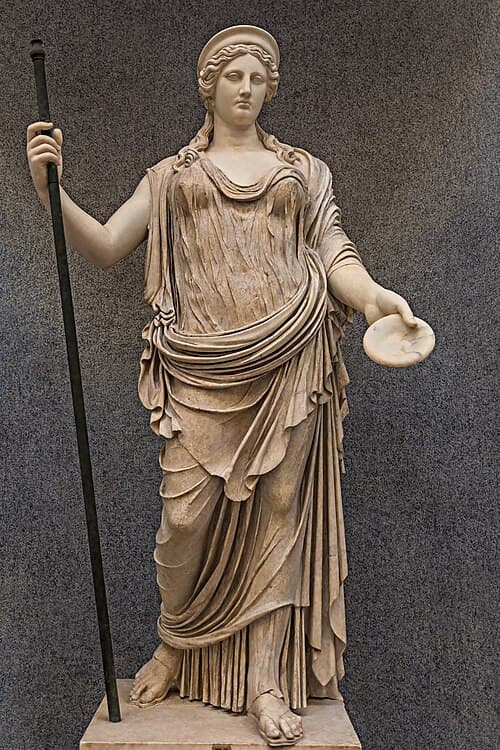


In ancient Greece, deities were regarded as anthropomorphic, immortal, and powerful. They were conceived of as persons rather than abstract concepts, and were described as similar to humans in appearance, albeit larger and more beautiful. The emotions and actions of deities were largely the same as those of humans; they frequently engaged in sexual activity, and were jealous and amoral. Deities were considered far more knowledgeable than humans, and it was believed that they conversed in a language of their own. Their immortality, the defining marker of their godhood, meant that they ceased aging after growing to a certain point. In place of blood, their veins flowed with ichor, a substance which was a product of their diet, and conferred upon them their immortality. Divine power allowed the gods to intervene in mortal affairs in various ways: they could cause natural events such as rain, wind, the growing of crops, or epidemics, and were able to dictate the outcomes of complex human events, such as battles or political situations.
Read more on Wikipedia